Posts

Showing posts from 2026

Featured Post

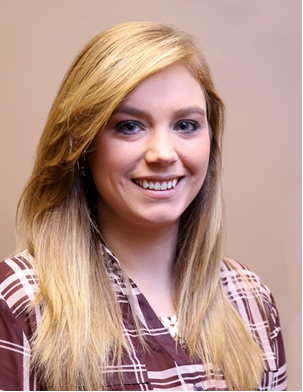
Dr. Jamie Courter is your Mizzou Beef Genetics Extension Specialist
Image
By Jared E. Decker Many of you have probably noticed that things have been a lot less active on the A Steak in Genomics™   blog, but you probably haven't known why. In January 2021, I was named the Wurdack Chair in Animal Genomics at Mizzou, and I now focus on research, with a little bit of teaching. I no longer have an extension appointment. But, with exciting news, the blog is about to become a lot more active! Jamie Courter began as the new MU Extension state beef genetics specialist in the Division of Animal Sciences on September 1, 2023. I have known Jamie for several years, meeting her at BIF when she was a Masters student. I have been impressed by Jamie in my interactions with her since that time.  Dr. Courter and I have been working closely together the last 6 weeks, and I am excited to work together to serve the beef industry for years to come! Jamie holds a bachelor’s degree in animal science from North Carolina State University and earned a master's degree in animal...

On the Road: Retain with Intention — Building a Better Missouri Cow Herd

Image
  How genetics, reproduction, nutrition and economics came together to rethink replacement female selection The U.S. beef cow herd has been getting smaller, and rebuilding it isn't as simple as deciding to keep more heifers. For many producers, the decision at weaning comes down to a familiar choice: Do I sell this heifer, or do I keep her as a replacement?  But what if those aren't the only two choices? That question was one of the drivers behind Retain with Intention: Building a Better Missouri Cow Herd , an MU Extension program developed to take a different look at replacement heifer selection and development. When a heifer comes through the chute, we're often quick to think of her as either a replacement or a sale animal. But retaining a heifer is an investment. Once that decision is made, there are additional costs associated with developing her, getting her bred, carrying her through her first pregnancy and ultimately getting her into the mature cow herd. That mean...

The Random Shuffle of Genes: Putting the E in EPD

Image
 What does the “E” in EPD actually mean? Expected Progeny Difference. That word expected matters. A calf gets about half of its DNA from its sire and half from its dam—but it doesn’t get a perfectly predictable half. The genes passed from each parent are a random sample, which means full siblings can be genetically different from one another. That random shuffle of genes is one of the reasons EPDs are predictions of average progeny performance , not guarantees of what every individual calf will do. It’s also part of the reason genomic information can be useful. By giving us additional information about the genes an animal actually inherited, genomics can help improve our prediction of that animal’s genetic merit. I recently updated the MU Extension publication “The Random Shuffle of Genes: Putting the E in EPD” to help explain the science behind one of the most commonly used tools in beef cattle genetic selection. If you've ever wondered why an EPD is an expectation rather than...

Steak in Genomics Is Back: Putting Beef Genetics to Work

Image
 It’s been a while since I’ve written a Steak in Genomics article. Life has been busy, but in all the best ways. I’ve been working to get a research and Extension program off the ground at the University of Missouri, my husband and I bought a fixer-upper acreage, and, most importantly, we’ve been raising two toddlers. Somehow, somewhere in all of that, Steak in Genomics got pushed down the priority list. But I obviously haven’t stopped thinking about beef cattle genetics. A big part of my Extension work has been figuring out how to take the growing amount of information available through genetics and genomics and make it more useful for the people actually making decisions in a cattle operation. - Because there is no shortage of information.  We have EPDs, genomic testing, selection indexes, DNA tests, genetic trends and new technologies coming at us all the time. The challenge isn't necessarily getting more information. The challenge is knowing what to do with it. That has ...