Posts

Showing posts from October, 2026

Featured Post

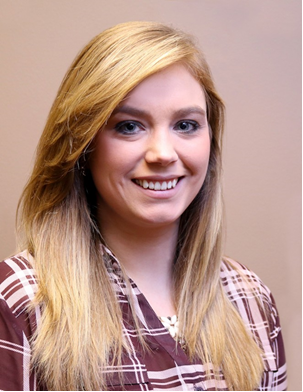
Dr. Jamie Courter is your Mizzou Beef Genetics Extension Specialist
Image
By Jared E. Decker Many of you have probably noticed that things have been a lot less active on the A Steak in Genomics™   blog, but you probably haven't known why. In January 2021, I was named the Wurdack Chair in Animal Genomics at Mizzou, and I now focus on research, with a little bit of teaching. I no longer have an extension appointment. But, with exciting news, the blog is about to become a lot more active! Jamie Courter began as the new MU Extension state beef genetics specialist in the Division of Animal Sciences on September 1, 2023. I have known Jamie for several years, meeting her at BIF when she was a Masters student. I have been impressed by Jamie in my interactions with her since that time.  Dr. Courter and I have been working closely together the last 6 weeks, and I am excited to work together to serve the beef industry for years to come! Jamie holds a bachelor’s degree in animal science from North Carolina State University and earned a master's degree in animal...

On the Road: The Importance of Matching Cows to Their Environment

Image
When we talk about improving beef cattle genetics, it's easy to get caught up in the numbers. We want heavier calves, better growth, improved carcass merit and more productive cows. But there's another question we need to ask: Are we selecting cattle that fit the environment we're asking them to perform in? Genetic potential is only part of the equation. An animal's phenotype, or how they perform, is a combination of their genotype and environment in which they are raised. Therefore, environment and management influence how that potential is expressed, and genetics that work well in one production system may not be the best fit for another. In my conversations with producers, I tend to come back to three traits that deserve more attention when matching cows to their environment: mature cow size, hair shedding and calving ease. Each addresses a different challenge, but all three provide opportunities to make more intentional selection decisions. Mature cow size: Bigger ...

Beyond the Numbers: Using a Sire Summary to Select Better Bulls

Image
It’s bull sale season, which means sale catalogs are starting to show up. If you’re like me, there’s something fun about getting a new catalog and flipping through the pages of bulls, pedigrees, performance information, EPDs, accuracies and selection indexes. But after a few pages, all those numbers can start to look a little overwhelming. And that’s where I think we sometimes make bull selection harder than it needs to be. When I open a sale catalog, I don't want to start by looking for the bull with the biggest number. I want to start by asking a much simpler question: What do I need this bull to do? The answer is going to be different for every operation. Maybe you’re buying a bull to breed heifers and need to put a strong emphasis on calving ease. Maybe you’re producing calves to sell at weaning and want to emphasize growth. Maybe you’re retaining ownership through harvest, or maybe you're building a cow herd and need to think about the traits that will influence the daught...

On the Road: Retain with Intention — Building a Better Missouri Cow Herd

Image
  How genetics, reproduction, nutrition and economics came together to rethink replacement female selection The U.S. beef cow herd has been getting smaller, and rebuilding it isn't as simple as deciding to keep more heifers. For many producers, the decision at weaning comes down to a familiar choice: Do I sell this heifer, or do I keep her as a replacement?  But what if those aren't the only two choices? That question was one of the drivers behind Retain with Intention: Building a Better Missouri Cow Herd , an MU Extension program developed to take a different look at replacement heifer selection and development. When a heifer comes through the chute, we're often quick to think of her as either a replacement or a sale animal. But retaining a heifer is an investment. Once that decision is made, there are additional costs associated with developing her, getting her bred, carrying her through her first pregnancy and ultimately getting her into the mature cow herd. That mean...